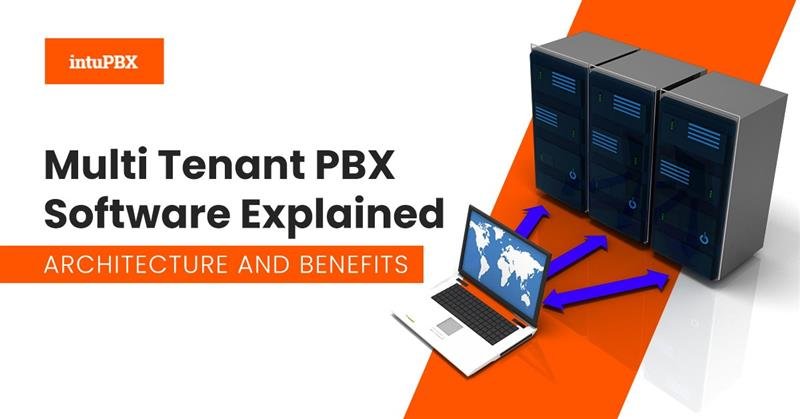
Communication infrastructure plays a critical role in the success of modern telecom and VoIP businesses. As service providers expand and begin serving multiple organizations simultaneously, managing separate communication systems for each customer can become complicated and inefficient. This is where Multi Tenant PBX Software becomes essential.
Multi tenant architecture allows telecom providers to host multiple businesses on a single PBX platform while keeping their systems logically separate. Instead of maintaining multiple PBX systems, providers can deliver communication services from one centralized system, making operations more scalable and efficient.
What is Multi Tenant PBX Software?
Multi Tenant PBX Software is a communication platform designed to serve multiple organizations (tenants) within a single system. Each tenant operates as an independent entity with its own users, extensions, call routing rules, voicemail, and administrative controls.
Even though multiple organizations use the same infrastructure, their data and configurations remain isolated from each other. This makes it possible for VoIP providers to offer hosted PBX services to many clients without deploying separate servers or systems for every customer.
For telecom providers offering hosted communication solutions, multi tenant PBX technology simplifies management and significantly reduces infrastructure costs.
Understanding the Architecture of Multi Tenant PBX Software
The architecture of a multi tenant PBX system is built around a centralized infrastructure that supports multiple tenants simultaneously. Each tenant functions like an independent PBX environment within the same system.
Centralized Server Infrastructure
At the core of multi tenant PBX software is a centralized server that manages communication services for all tenants. Instead of running multiple PBX systems, telecom providers operate a single infrastructure capable of supporting many customers.
This centralized approach reduces hardware requirements and simplifies system management.
Tenant Isolation
Even though multiple organizations share the same platform, their data remains isolated. Each tenant has separate configurations, call routing rules, user accounts, and billing structures.
This logical separation ensures security, privacy, and operational independence for each client.
User and Extension Management
Within each tenant environment, administrators can create and manage users, assign extensions, configure call routing rules, and control permissions. This allows each business to manage its internal communication system without affecting other tenants.
Call Routing and Voice Services
Multi tenant PBX software handles complex call routing for different organizations. Incoming and outgoing calls are directed according to each tenant’s configuration, ensuring that calls are processed correctly for every organization.
Features such as IVR menus, voicemail, call queues, and call forwarding can be customized individually for each tenant.
Integration with VoIP Infrastructure
Multi tenant PBX platforms integrate with SIP trunks, VoIP gateways, and telecom networks. This enables providers to deliver high-quality voice services while managing multiple clients from a single system.
Benefits of Multi Tenant PBX Software
Multi tenant PBX technology offers several advantages for telecom operators and VoIP providers.
Improved Scalability
One of the biggest advantages of multi tenant PBX software is scalability. Providers can easily add new tenants without deploying additional PBX systems.
As the customer base grows, the platform can support thousands of users across multiple organizations without major infrastructure changes.
Cost Efficiency
Running multiple PBX systems for each client can be expensive and resource-intensive. Multi tenant architecture eliminates the need for separate systems, reducing hardware, maintenance, and operational costs.
This allows telecom providers to deliver communication services more efficiently while improving profitability.
Simplified Management
Managing multiple PBX environments individually can become complicated as the number of customers grows. Multi tenant PBX software provides a centralized management interface where providers can monitor and manage all tenants from a single platform.
This simplifies system administration and reduces operational complexity.
Faster Service Deployment
With multi tenant PBX systems, new customers can be onboarded quickly. Providers can create a new tenant environment, configure user accounts, and deploy services within minutes.
This allows telecom companies to expand their services rapidly.
Flexible Service Offerings
Multi tenant PBX software allows providers to offer different communication packages to different clients. Each tenant can have customized features, extensions, and service configurations based on their needs.
This flexibility enables telecom companies to serve businesses of all sizes.
Why Multi Tenant PBX Software is Important for VoIP Providers
The telecom industry is becoming increasingly competitive. Providers must deliver scalable, reliable, and cost-efficient communication solutions to stay ahead.
Multi tenant PBX software enables providers to build hosted PBX services that support multiple customers while maintaining system efficiency and performance.
By consolidating infrastructure and simplifying system management, telecom operators can focus on improving services and expanding their customer base.
Conclusion
Multi Tenant PBX Software has become a foundational technology for telecom providers offering hosted communication services. Its architecture allows multiple organizations to operate independently within a single platform while maintaining security and operational control.
With benefits such as scalability, cost efficiency, simplified management, and faster deployment, multi tenant PBX systems provide telecom operators with the tools needed to deliver modern communication services.
For VoIP providers looking to grow their business and support multiple clients efficiently, adopting multi tenant PBX software is a strategic step toward building a scalable and sustainable communication infrastructure.

Leave a Comment