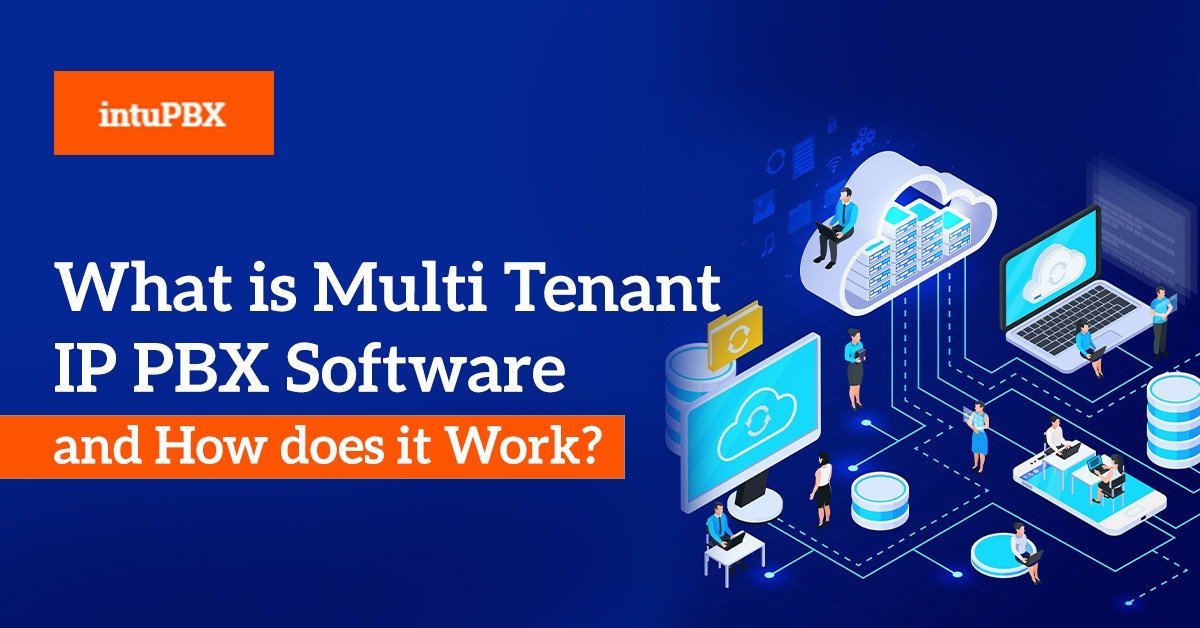
Modern communication systems have evolved far beyond traditional phone networks. Businesses today rely on internet-based voice solutions that allow them to manage calls, connect remote teams, and deliver better customer service. One of the technologies that powers these systems is Multi Tenant IP PBX Software.
Multi Tenant IP PBX Software is designed to support multiple businesses or customers on a single telephony platform while keeping each organization’s data, users, and configurations separate. This architecture allows telecom providers and VoIP operators to deliver scalable voice services to many clients from one centralized system.
Because of its flexibility and efficiency, Multi Tenant IP PBX Software has become a core component for hosted VoIP providers, managed service providers, and telecom companies offering cloud-based communication services.
Understanding Multi Tenant IP PBX Software
A Multi Tenant IP PBX Software platform allows multiple organizations—often called tenants—to share the same PBX infrastructure while operating independently within their own environment.
In simple terms, each tenant functions as if they have their own private phone system, even though the underlying infrastructure is shared with other tenants.
This approach differs from traditional PBX systems, where each business requires its own dedicated hardware and infrastructure. With Multi Tenant IP PBX Software, a single system can manage thousands of users across multiple companies while maintaining strict separation between each tenant’s settings and data.
For telecom providers, this architecture significantly reduces infrastructure costs and simplifies system management.
How Multi Tenant IP PBX Software Works
Multi Tenant IP PBX Software operates through a centralized system that manages multiple tenants simultaneously. The platform uses virtualization and logical separation to ensure that each organization’s communication environment remains independent.
The process typically involves several key components.
Tenant Creation and Configuration
The first step is creating individual tenants within the PBX platform. Each tenant represents a separate organization or customer.
For every tenant, the system can define unique configurations such as:
User accounts and extensions
Call routing rules
Dial plans
Voice mail settings
Call queues and IVR menus
These configurations allow each tenant to customize their phone system based on their business needs.
User and Extension Management
Within each tenant environment, administrators can create users and assign extensions. Each user can access features such as voicemail, call forwarding, call transfer, and conferencing.
Multi Tenant IP PBX Software makes it easy to manage large numbers of users across different organizations without interfering with other tenants on the system.
This centralized management model helps telecom providers deploy and maintain VoIP services efficiently.
Call Routing and Call Processing
Call routing is a core function of any PBX system. Multi Tenant IP PBX Software uses intelligent routing mechanisms to direct incoming and outgoing calls to the correct destination.
For example, when a call enters the system, the PBX identifies the tenant associated with that number. The system then applies the specific routing rules configured for that tenant.
These rules may include directing calls to an IVR menu, a specific extension, a call queue, or an external number.
Because each tenant has its own routing configuration, businesses can design call flows that match their operational requirements.
Integration with SIP Trunks
Most Multi Tenant IP PBX platforms integrate with SIP trunks, which connect the PBX system to external telecom networks.
SIP trunks allow businesses to make and receive calls over the internet rather than using traditional telephone lines. This reduces costs and improves flexibility.
The PBX system manages SIP connections and ensures that calls are routed properly between tenants and external networks.
Billing and Usage Monitoring
For telecom providers offering hosted PBX services, billing and usage monitoring are essential.
Multi Tenant IP PBX Software often integrates with telecom billing platforms to track call usage and generate invoices for each tenant.
This integration allows service providers to charge customers based on their call volume, service plans, or subscription models.
Key Benefits of Multi Tenant IP PBX Software
Multi Tenant IP PBX Software offers several advantages for telecom providers and businesses that rely on VoIP communication systems.
Scalability
One of the biggest benefits of Multi Tenant IP PBX Software is scalability. Telecom providers can onboard new customers quickly without deploying new hardware.
As more tenants join the platform, the system can expand to support thousands of users across multiple organizations.
Cost Efficiency
Because multiple tenants share the same infrastructure, operational costs are significantly reduced. Providers can deliver services to many businesses without investing in separate PBX systems for each customer.
This makes Multi Tenant IP PBX Software an ideal solution for hosted VoIP providers.
Simplified Management
Managing multiple PBX systems separately can be complex and time-consuming. Multi Tenant IP PBX Software centralizes system management, allowing administrators to monitor and configure all tenants from a single interface.
This improves operational efficiency and reduces maintenance overhead.
Flexibility for Businesses
Each tenant can customize their phone system according to their specific needs. Businesses can create custom call flows, add users, and configure advanced features without affecting other tenants on the platform.
Multi Tenant IP PBX and Modern Telecom Platforms
As VoIP services continue to grow, many telecom companies are adopting integrated platforms that combine PBX functionality with billing, monitoring, and analytics tools.
Platforms like Neon Soft support telecom providers by offering advanced telecom billing and monitoring solutions that complement modern communication infrastructure.
By integrating billing and analytics capabilities with systems such as Multi Tenant IP PBX Software, telecom providers can track call traffic, manage customers, and generate accurate invoices within a unified operational environment.
This type of integration allows telecom operators to manage both communication services and financial operations more efficiently.
The Future of Multi Tenant IP PBX Software
The demand for cloud-based communication systems continues to grow as businesses adopt remote work models and global collaboration tools.
Multi Tenant IP PBX Software plays a key role in supporting these modern communication environments. The technology allows telecom providers to deliver scalable, flexible, and cost-effective voice services to businesses of all sizes.
As communication technologies evolve, Multi Tenant IP PBX platforms are expected to incorporate advanced capabilities such as AI-powered call routing, real-time analytics, and deeper integration with unified communication systems.
For telecom providers looking to scale their services and offer hosted VoIP solutions, Multi Tenant IP PBX Software remains one of the most important technologies in modern telecom infrastructure.


Leave a Comment