


Economic Inequality and Social Movements in the US: Why the Wealth Gap Is Driving Activism
In recent years, economic inequality has become one of the most powerful forces behind current social movements in the US. As the gap between the rich and the poor continues to widen, more people are...

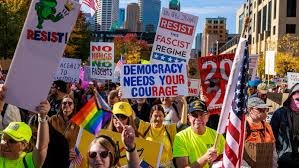
In recent years, economic inequality has become one of the most powerful forces behind current social movements in the US. As the gap between the rich and the poor continues to widen, more people are speaking out against systems they believe are unfair and unbalanced. Rising living costs, stagnant wages and limited economic opportunities have created frustration across different segments of society.
Table Of Content
- Understanding Economic Inequality
- Why Economic Inequality Leads to Social Movements
- 1. Rising Cost of Living
- 2. Wage Stagnation
- 3. Job Insecurity
- 4. Limited Social Mobility
- Examples of Social Movements Focused on Economic Justice
- 1. Living Wage Campaigns
- 2. Housing and Rent Protests
- 3. Student Debt Activism
- 4. Labor Rights and Workplace Movements
- The Role of Government and Policy
- How Technology Amplifies Economic Activism
- Challenges Facing Economic Justice Movements
- 1. Complex Systems
- 2. Political Resistance
- 3. Public Division
- 4. Slow Progress
- The Long-Term Impact of These Movements
- The Future of Economic Activism
- Final Thoughts
This growing dissatisfaction has fueled a wave of activism, making economic justice a central theme in many current social movements in America.
Understanding Economic Inequality
Economic inequality refers to the uneven distribution of wealth, income and opportunities within a society. While some level of inequality exists in every economy, extreme gaps can lead to serious social and political consequences.
In the United States, economic inequality is often seen in:
- Differences in income levels
- Access to education and healthcare
- Job opportunities and wages
- Cost of living across regions
These disparities create challenges that directly impact people’s daily lives, making economic issues a major driver of social movements.
Why Economic Inequality Leads to Social Movements
Economic struggles tend to motivate people to take action because they affect basic needs such as housing, food, and security. When individuals feel that the system is not working for them, they are more likely to participate in activism.
1. Rising Cost of Living
Housing, healthcare and education costs have increased significantly, putting pressure on middle- and lower-income groups.
2. Wage Stagnation
For many workers, wages have not kept up with inflation, leading to reduced purchasing power.
3. Job Insecurity
The rise of temporary and gig-based jobs has created uncertainty, especially for younger workers.
4. Limited Social Mobility
Many people feel that opportunities for upward mobility are shrinking, making it harder to improve their financial situation.
Examples of Social Movements Focused on Economic Justice
There are many examples of social movements that highlight economic inequality as a core issue. These movements aim to challenge existing systems and push for reforms.
1. Living Wage Campaigns
One of the most visible current social movements is the push for higher wages. Workers across different industries are demanding fair compensation that reflects the cost of living.
These campaigns often include protests, strikes, and public awareness efforts aimed at influencing both employers and policymakers.
2. Housing and Rent Protests
As housing costs continue to rise, many communities have organized movements to demand affordable housing and tenant protections.
These movements highlight the struggles faced by individuals who are unable to secure stable and affordable living conditions.
3. Student Debt Activism
Education is often seen as a pathway to success, but rising tuition fees have made it a financial burden for many. This has led to movements advocating for reduced tuition costs and student debt relief.
4. Labor Rights and Workplace Movements
Workers are increasingly organizing to demand better working conditions, job security, and fair treatment. These movements are a key part of current social movements in America.
The Role of Government and Policy
Government policies play a major role in shaping economic conditions. As a result, many social movements focus on influencing policy decisions.
Activists often call for:
- Higher minimum wages
- Better labor protections
- Affordable healthcare and education
- Tax reforms to reduce inequality
These demands reflect a broader effort to create a more balanced economic system.
How Technology Amplifies Economic Activism
Just like other modern movements, economic-focused activism benefits from digital platforms.
- Social media spreads awareness about inequality
- Online campaigns gather support quickly
- Digital tools help organize protests and events
This has made it easier for individuals to join and support movements, regardless of their location.
Challenges Facing Economic Justice Movements
Despite their importance, these movements face several obstacles.
1. Complex Systems
Economic systems are complicated, making it difficult to implement quick solutions.
2. Political Resistance
Policy changes often face opposition from powerful groups with vested interests.
3. Public Division
Not everyone agrees on the causes or solutions to economic inequality, leading to divided opinions.
4. Slow Progress
Economic reforms take time, which can lead to frustration among activists.
The Long-Term Impact of These Movements
Even though change may be slow, economic-focused social movements have already made an impact.
They have:
- Increased awareness of wealth inequality
- Influenced political debates
- Encouraged public discussions on fairness and opportunity
- Pressured companies to improve working conditions
These outcomes show that activism can play a role in shaping economic policies and systems.
The Future of Economic Activism
Economic inequality is unlikely to disappear anytime soon, which means it will remain a key focus of future social movements.
We can expect:
- Continued protests and campaigns
- Greater use of digital tools for organizing
- Increased focus on long-term policy solutions
- Stronger collaboration between different activist groups
As more people become aware of economic issues, participation in these movements is likely to grow.
Final Thoughts
Economic inequality is not just a financial issue—it is a social issue that affects millions of people. Its impact on daily life makes it one of the most powerful drivers of current social movements in the US.
By addressing these challenges, social movements are working toward a more balanced and fair society. While progress may take time, the growing focus on economic justice shows that change is not only possible but already underway.






No Comment! Be the first one.