
There is nothing quite like the feeling of a fresh install. When that frontal is melted to perfection, the hairline looks like it’s growing straight from your pores, and the versatility is unmatched. You can rock a deep side part, a sleek ponytail, or a half-up-half-down look that turns heads. But then, a few weeks in, you notice it: the dreaded thinning. A small patch of lace starts looking bare, the knots seem more visible, and suddenly, your “scalp” looks like it’s balding.
Losing a frontal to shedding isn’t just a beauty disaster; it’s a financial one. These pieces are an investment in your confidence, and seeing them deteriorate prematurely is heartbreaking. The truth is, while lace frontals are designed to look natural, they are incredibly delicate. Unlike the hair growing from your head, the hair on a frontal sew in is hand-tied into a fragile mesh. Once that hair is gone, it’s gone for good.
In this guide, we’re going to dive deep into the five common habits that are secretly destroying your hairpieces and how you can pivot your routine to save your hairline—and your money.

Understanding the Fragility of the Frontal
Before we get into the “don’ts,” we have to understand the “why.” A full lace frontal is essentially a piece of art. Each individual strand of human hair is knotted into a fine lace material. These knots are often bleached to make them invisible, which is great for the “melt,” but it also chemically weakens the hair at its base.
Because there are no natural oils traveling from your scalp to the hair on the lace, the strands are prone to becoming brittle. When you combine chemical processing with physical stress, you get “balding.” If you’re looking for a more robust option, some people opt for a 360 lace frontal wig, which provides coverage all around the perimeter, but the maintenance rules remain just as strict.
1. Aggressive Brushing and Detangling
The number one killer of a frontal is rough handling. Most of us are in a rush in the morning, and when we see a knot, our instinct is to rip through it with a brush.
When you pull on a tangle near the lace, you aren’t just stretching the hair; you are putting direct tension on the knots. This tension causes the knots to slide right out of the lace.
- The Habit: Brushing from the roots down or using a fine-tooth comb on dry hair.
- The Fix: Always start from the ends and work your way up. Hold the base of the hair with one hand to anchor the lace while you detangle the mid-lengths and ends with the other. Use a wide-tooth comb or a specialized detangling brush designed for extensions.
2. Using Excessive Heat and Heavy Products
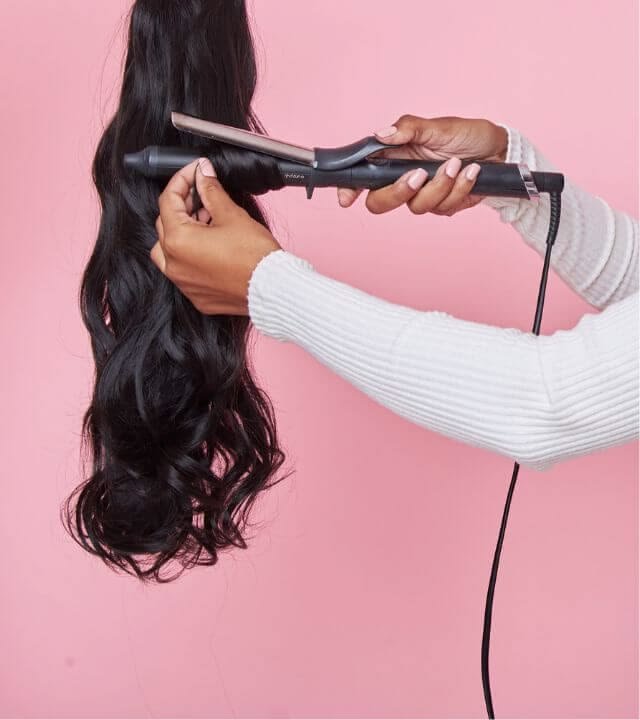
We all love a bone-straight look or voluminous curls, but high heat is the enemy of longevity. Since the hair on your frontal sew in isn’t being nourished by your body, it dries out significantly faster than your natural hair.
Furthermore, “product gunk” is a real issue. When you layer hairspray, gels, and oils onto the lace, they seep into the knots. Over time, this buildup causes the hair to mat and tangle, which leads to—you guessed it—more shedding during the cleaning process.
- The Habit: Flat-ironing on the highest setting daily and “refreshing” styles with more product instead of a wash.
- The Fix: Use a heat protectant every single time. Try to limit direct heat to once or twice a week and use “silk wraps” or flexi-rods at night to maintain curls without needing a wand the next morning.
3. Over-Bleaching and Over-Plucking
In the quest for the “perfect melt,” many of us go overboard before the wig even touches our heads. Over-bleaching the knots makes the hair strands extremely brittle right at the point where they attach to the lace. If the bleach is left on too long, it “over-processes” the hair, causing it to snap off at the root.
Similarly, aggressive plucking to create a “natural” hairline can leave the lace compromised. If you pluck too many hairs in one spot, you create a weak point that will eventually expand into a bald patch.
- The Habit: Leaving bleach on until the knots are white, or plucking until the hairline is too thin.
- The Fix: Aim for “honey-toned” knots rather than white ones, and use a knot sealer spray immediately after the customization process to lock those strands in place.
4. Sleeping Without Protection
Your pillowcase is a silent predator. If you’re sleeping on cotton, the fabric is actually grabbing onto the individual hairs of your full lace frontal and pulling them as you toss and turn. Cotton also absorbs the moisture from the hair, leaving it dry and prone to matting at the nape of the neck—a common issue especially with a 360 lace frontal wig.
- The Habit: Going to bed with a loose wig or sleeping on a cotton pillowcase.
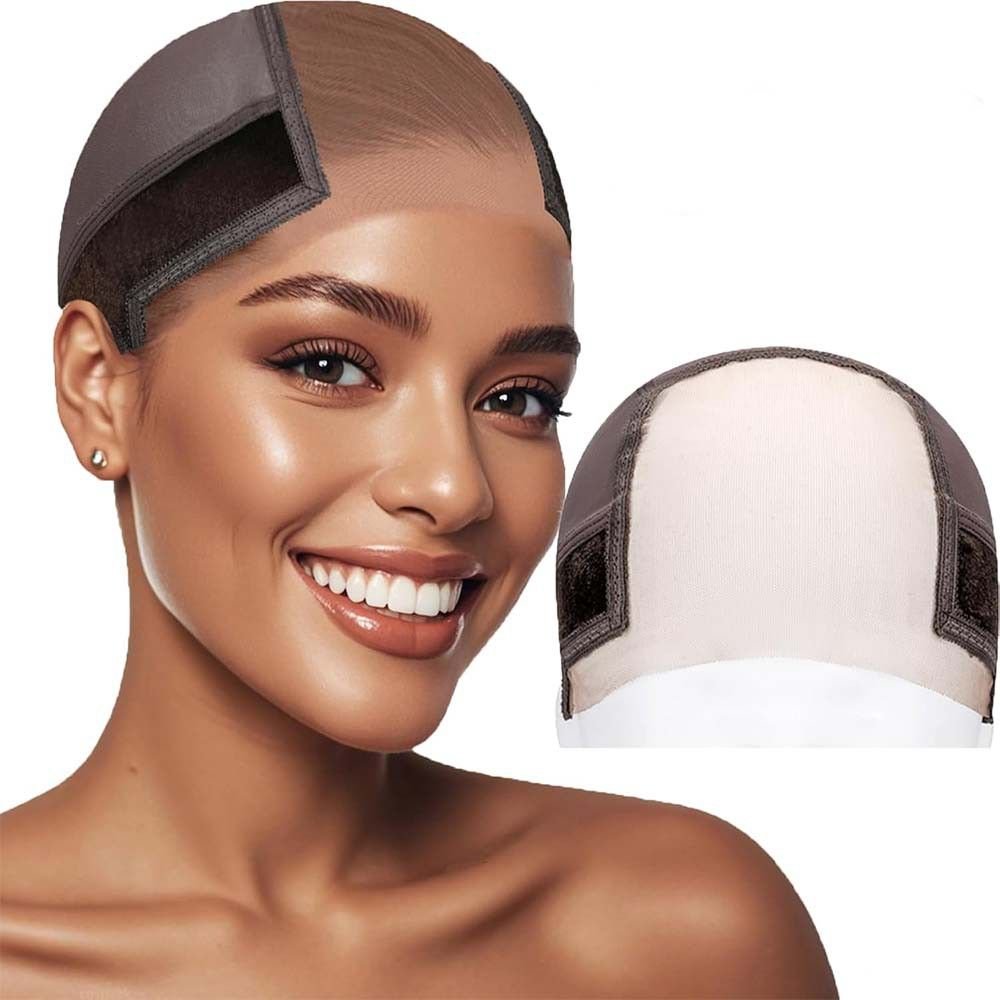
- The Fix: Never go to sleep without a silk or satin bonnet or scarf. For extra security, braid your hair into two large twists to keep it from tangling, and wrap the “edges” of your frontal with a lace band to keep the adhesive or the hair flat.
5. Neglecting the “Nape” and Under-Cap Care
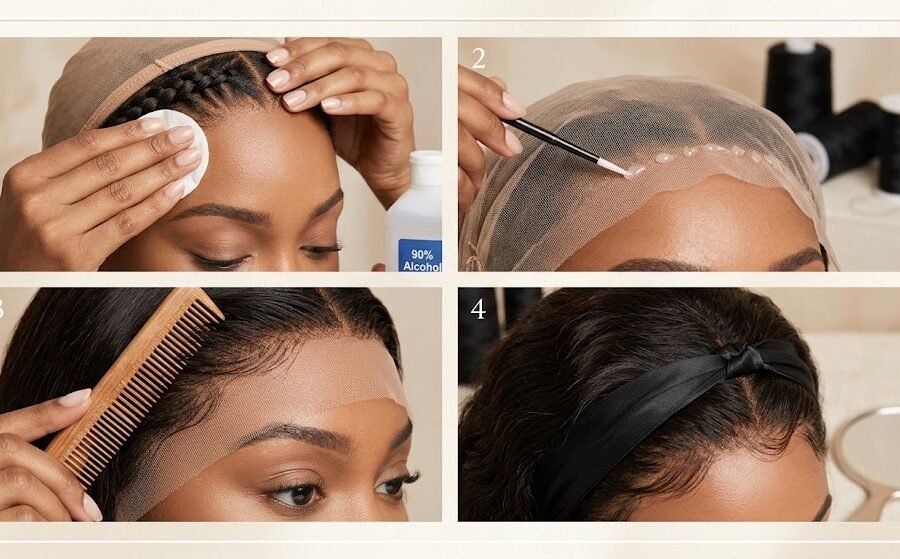
When we focus on a frontal, we often only care about what’s visible in the mirror. However, the health of the piece is often determined by what’s happening underneath. Sweat, salt, and natural oils from your skin can sit on the lace for days, slowly breaking down the knots and the lace material itself.
- The Habit: Leaving an install in for 6+ weeks without a professional refresh or cleaning.
- The Fix: If you have a frontal sew in, make sure you are drying your braids thoroughly after a workout or a wash. Moisture trapped between your scalp and the lace is a breeding ground for bacteria, which can ruin both the hairpiece and your natural hair.
Pros, Cons, and Common Questions
To help you decide if this style is right for you, let’s look at the reality of wearing these pieces.
The Pros:
- Unmatched Realism: No other extension method mimics a natural hairline as effectively.
- Styling Freedom: You can part your hair anywhere within the lace area.
- Protection: It allows your natural hair to rest and grow underneath without daily manipulation.
The Cons:
- High Maintenance: They require weekly TLC and professional refreshes every 2–4 weeks.
- Fragility: They are prone to balding if the habits above aren’t corrected.
- Cost: Between the piece itself and the installation, it is a premium beauty service.
FAQ: Frequently Asked Questions
Q: Can I save a frontal that has already started balding?
A: While you can’t “regrow” the hair, you can use a waterproof brown or black eye pencil to “fill in” small bare spots on the lace. For larger patches, a professional stylist can sometimes ventilate new hair into the lace, though it is often cheaper to buy a new piece.
Q: How long should a frontal actually last?
A: With “perfect” care, a high-quality human hair piece should last 4 to 6 months. However, the install itself should only stay on your head for about 3 to 4 weeks before it needs to be cleaned and re-applied.
Q: Is a 360 lace frontal wig better than a standard one?
A: It depends on your style. A 360 lace frontal wig is better if you love high ponytails, as it has lace all around. However, it requires even more care because you have more lace area to protect from friction.

Conclusion: Respect the Lace
At the end of the day, a frontal is a luxury item. It isn’t meant to be “low maintenance.” To avoid the heartbreak of a balding hairpiece, you have to treat it with the same level of care you’d give a silk gown.
By switching to a wide-tooth comb, sealing your knots, protecting your hair at night, and being mindful of heat, you can extend the life of your hair significantly. Remember: the “melt” looks best when the hair is thick and healthy. Stop the aggressive habits today, and your hairline will stay flawless for months to come. Keep it hydrated, keep it protected, and most importantly, respect the lace!



Leave a Comment