



The Home Remodeling Industry in Hampton Roads: How Suburban Cities Like Chesapeake Are Outpacing Urban Markets in Renovation Spending
If you have been watching the remodeling market over the last five years, the pattern looks similar across most US metro areas. Renovation spending is shifting away from dense urban cores and toward...

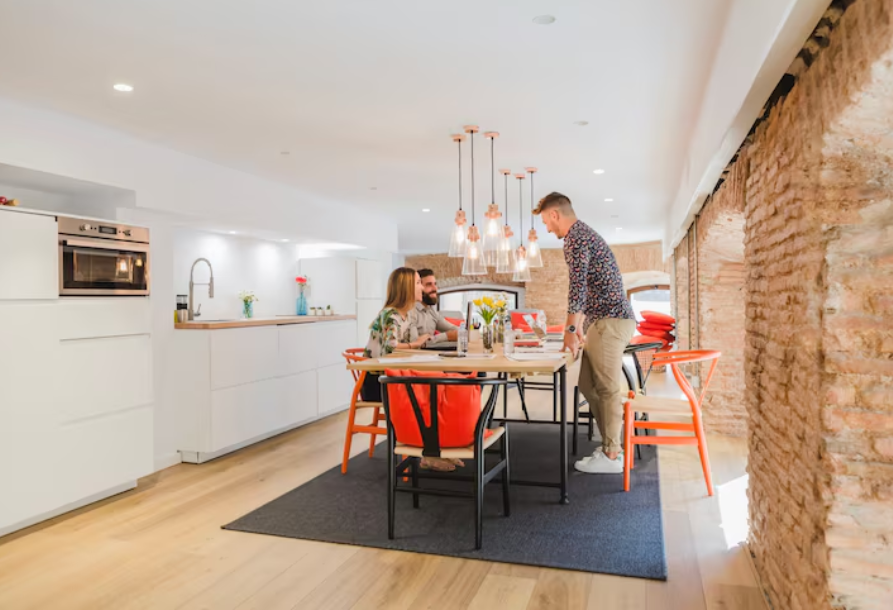
If you have been watching the remodeling market over the last five years, the pattern looks similar across most US metro areas. Renovation spending is shifting away from dense urban cores and toward outer suburbs. Hampton Roads is no exception. Cities like Chesapeake, Suffolk, and parts of Virginia Beach are pulling in a larger share of regional remodeling dollars while Norfolk and Portsmouth see slower growth in the same category.
Industry data, local building permit numbers, and the conversations happening at design-build firms across the region all point in the same direction. Here is what the numbers are showing and why suburban Hampton Roads has become the busier market for renovation work.
The Bigger Picture from National Housing Research
The Joint Center for Housing Studies at Harvard publishes the Leading Indicator of Remodeling Activity twice a year. The 2023 and 2024 readings showed annual homeowner improvement and repair spending pushing close to half a trillion dollars nationally. That is the kind of number that gets attention, but the more useful detail is where the spending is happening.
JCHS data over the last three reporting cycles has shown that suburban zip codes with median home ages between twenty-five and forty years are seeing the largest percentage gains in renovation outlay. That tracks with how housing stock ages. Homes built in the late 1980s through the 1990s are hitting the point where original kitchens, baths, HVAC systems, and roofs are due for replacement, and the owners have built enough equity to pay for it.
The 2020 to 2022 period accelerated this. Remote work pushed buyers into larger suburban homes, and once people settled in, they started spending on the spaces they were using all day.
Why Hampton Roads Mirrors the National Suburban Shift
The Hampton Roads market follows the same pattern with a regional twist. Norfolk and Portsmouth have older housing stock, but many homes there have either already been renovated or sit in flood-prone areas where major investment is harder to justify. Buyers and existing owners with renovation budgets have been steering money toward Chesapeake, Suffolk, and the western parts of Virginia Beach.
City-issued permit data backs this up. Chesapeake’s residential alteration and addition permit volume has been growing year over year since 2021, with a particular bump in projects valued over fifty thousand dollars. Norfolk’s growth in the same category has been flatter.
Part of this is demographic. Chesapeake’s population has been climbing steadily, and the median household income in the city sits well above the regional average. Households with higher incomes spend more on home improvement, and they tend to use design-build contractors rather than self-perform.
Chesapeake’s Position in the Region
Chesapeake is built differently than the older cities around it. Most of the housing stock went up between 1985 and 2010. Subdivisions like Greenbrier, Las Gaviotas, Edinburgh, and parts of Western Branch have lot sizes that allow for additions, sunrooms, and outdoor living upgrades that are harder to do in tighter Norfolk neighborhoods.
That physical room translates into bigger projects. The average renovation in Chesapeake skews toward kitchen and bath combinations, primary suite additions, and full first-floor refreshes. Norfolk renovations tend to focus more on single-room updates because the homes themselves do not have the footprint to expand.
Local design-build firms serving the area, including GSS757, have noted the same shift in client requests over the last few years. The conversations have moved from cosmetic updates to full kitchen and bath redesigns and from single rooms to whole-floor projects. That is the kind of work that runs into six figures and reflects the equity homeowners have built since 2019.
What This Means for Homeowners & Contractors
For homeowners, the math behind a Chesapeake remodel has changed. Home values in the city have risen enough that even a sixty or eighty thousand dollar renovation rarely brings the property above the neighborhood ceiling. That means the spending makes sense from a resale standpoint, not just an enjoyment one.
For contractors, the work has consolidated toward firms that can handle full-scope projects rather than single trades. Homeowners want one point of contact who can manage design, permitting, multiple trades, and finish work. That is part of why design-build operations have grown faster in the Chesapeake market than traditional general contractors.
The downside is that lead times have stretched. Reputable design-build firms in Hampton Roads are often booking three to six months out for kitchen and bath work. Homeowners planning a 2026 project should be starting conversations now if they want to break ground by mid-year.
Where the Money Is Actually Going
Inside a typical Chesapeake renovation budget, the spending breakdown has shifted since 2020.
Cabinetry and countertops still take the largest share, but the percentage going to electrical and HVAC has climbed. Heat pump upgrades, panel upgrades for EV chargers, and added lighting circuits all factor in. Smart home integration is now common enough that wiring for it gets built into most renovation budgets rather than added later.
Flooring spending has stayed steady, but the materials have moved. Engineered hardwood and luxury vinyl plank have taken share from carpet and traditional hardwood. Bath spending has grown faster than kitchen spending on a percentage basis, partly because larger primary baths are common in newer Chesapeake homes and they take more material to refresh.
Outdoor living investment is the category growing fastest. Screened porches, sunroom additions, and outdoor kitchens are showing up in more contracts than they did five years ago. The lots in Chesapeake support these additions, and the climate makes them useful for most of the year.
The pattern is clear enough that anyone watching the regional home remodeling in Chesapeake market can see where things are heading. Suburban Hampton Roads, Chesapeake in particular, is doing the work. The urban core is doing less of it. That trend looks like it has at least another few years to run.





No Comment! Be the first one.