


The Importance of Choosing Experienced Roofing Professionals for Residential Roof Installations
A roof is not something most homeowners think about until there is a problem. A leak shows up on the ceiling, shingles blow off during a storm, or an inspector flags damage during a home sale. By...

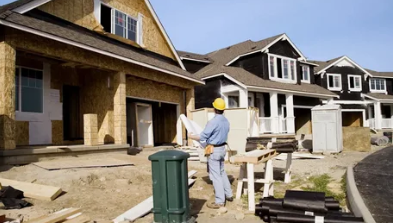
A roof is not something most homeowners think about until there is a problem. A leak shows up on the ceiling, shingles blow off during a storm, or an inspector flags damage during a home sale. By that point, the issue has usually been developing for a while. The truth is, the quality of a roof comes down to two things: the materials used and the people who install them.
Table Of Content
Residential roofing solutions have come a long way in terms of material options and performance, but none of that matters if the installation is not done correctly. Choosing experienced roofing professionals is one of the most important decisions a homeowner can make, and it is one that pays off for decades.
Why Experience Matters in Roofing
Roofing is one of those trades where the margin for error is small. A misplaced piece of flashing, an incorrect nail pattern, or a poorly sealed valley can lead to water intrusion that damages the attic, insulation, walls, and even the foundation over time. And the worst part is, most of these mistakes are invisible until the damage is already done.
Experienced roofing professionals know how to handle the details that less experienced crews skip or get wrong. They understand how water moves across a roof, where leaks are most likely to develop, and how different materials behave in different climates. That knowledge comes from years of hands-on work, not just a training manual.
Companies like Blum Custom Builders, which handle roofing as part of their residential construction and renovation services, bring a broader perspective to roof projects. Because they work on the entire structure, they understand how the roof ties into the rest of the building system, from ventilation and insulation to exterior cladding and drainage.
Common Mistakes Made by Inexperienced Roofers
It helps to know what can go wrong so you can recognize the signs of poor workmanship. Here are some of the most common issues that come from hiring the wrong crew.
Improper flashing installation is at the top of the list. Flashing is the metal or membrane material that seals transitions between the roof and walls, chimneys, vents, and skylights. If it is not layered correctly, water gets behind it and into the structure. This is the number one cause of roof leaks that are not related to age or storm damage.
Incorrect nail placement is another frequent issue. Shingles need to be nailed in a specific zone to hold properly. Nails placed too high do not secure the shingle to the one below it. Nails placed too low can crack the shingle or miss the overlap entirely. Both problems lead to shingles that lift or blow off in moderate wind.
Poor ventilation planning causes problems that show up slowly. Without proper intake and exhaust airflow, heat builds up in the attic during summer and moisture accumulates in winter. Over time, this shortens the life of the shingles, causes decking to warp, and creates conditions for mold growth.
Cutting Corners on Underlayment
The underlayment is the layer between the decking and the shingles, and it is the last line of defense against water intrusion. Some less experienced crews use the cheapest option available or skip it in areas where code technically allows it. Experienced residential roofing solutions providers use synthetic underlayment across the entire roof deck and add self-adhering ice and water shield in high-risk areas like valleys and eaves.
How to Evaluate a Roofing Professional
Finding the right roofing contractor takes some legwork, but it is worth the effort. Here are a few things to check before signing a contract.
Start with insurance. A roofing contractor should carry general liability insurance and workers’ compensation coverage. Ask for certificates and verify them with the insurance company directly. If a worker is injured on your property and the contractor is not insured, the liability can fall on you.
Ask about manufacturer certifications. Many shingle manufacturers offer certification programs that require contractors to meet specific installation standards. Certified installers often provide longer warranty coverage because the manufacturer trusts their workmanship.
Look at their project history. A contractor who has been installing roofs in your area for several years will know the local climate conditions, building codes, and permit requirements. They will also have a list of past clients you can contact for references.
Material Selection Guidance
An experienced roofing professional does more than just install what you ask for. They help you choose the right material for your home and your climate. Asphalt shingles work well for most residential applications, but there are differences between three-tab, architectural, and impact-rated options that affect performance and cost.
Metal roofing is a good fit for homeowners who want longevity and energy efficiency. Tile and slate are options for specific architectural styles but require structural reinforcement. A good contractor will walk you through the trade-offs and help you land on a material that fits your budget and your goals.
Making Residential Roofing Solutions Last
A well-installed roof should last 25 to 50 years depending on the material. But that lifespan depends entirely on the quality of the installation. Experienced roofing professionals treat every detail as important, from the first row of starter shingles to the final ridge cap. That attention to process is what separates a roof that performs for decades from one that starts causing problems within a few years.
Take the time to hire the right team. Your roof protects everything underneath it, and getting it right the first time is always cheaper than fixing it later.






No Comment! Be the first one.