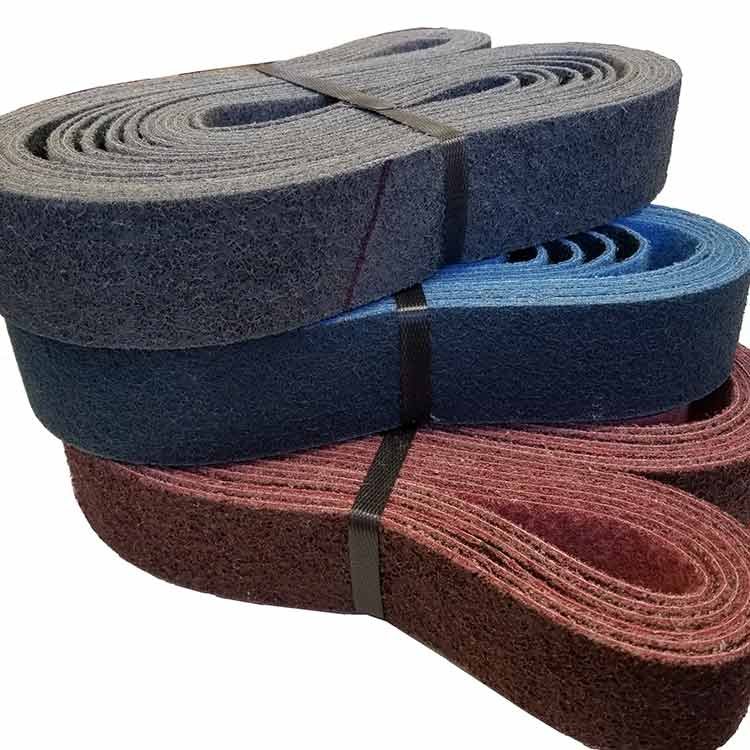
In workshops, fabrication units, and manufacturing facilities across the UAE, the abrasive belt is a small component that plays a massive role in productivity and finishing quality. At first glance, choosing cheaper belts may look like a smart way to reduce operational costs. However, many businesses soon realize that low-cost abrasive belts often lead to higher long-term expenses, inconsistent output, and unexpected downtime.
This article breaks down the hidden costs of cheap abrasive belts and explains why investing in quality is not an expense—but a strategic decision that improves efficiency, safety, and profitability
The Hidden Cost of “Cheap” Abrasive Belt Choices
A low-priced abrasive belt usually comes with compromises in grain quality, bonding strength, and backing material. While the upfront savings may look attractive—often 20% to 40% cheaper per unit—the real cost emerges during usage.
Industry maintenance studies consistently show that poor-quality abrasives can wear out 30% to 50% faster than premium-grade alternatives. That means more frequent replacements, more machine stoppages, and higher consumption over time.
In other words, what looks cheap on the purchase order becomes expensive on the production floor.
Reduced Productivity and Increased Downtime
One of the most overlooked impacts of inferior abrasive belts is machine downtime. When belts wear unevenly or break prematurely, operators are forced to stop production lines for replacements.
In industrial environments in the UAE—where deadlines and delivery schedules are critical—even 15–30 minutes of unplanned downtime can disrupt entire workflows.
A fabrication supervisor in a Dubai metal workshop once noted that switching to low-cost belts “saved us a few dirhams per piece but added hours of lost production every week.” This is a common scenario across many industries.
The reality is simple:
Less reliable abrasive belts = more downtime = lower productivity.
Poor Surface Finish and Rework Costs
Abrasive belts directly influence the quality of finishing on metal, wood, and composite surfaces. Cheap belts often produce inconsistent grit distribution, leading to:
- Uneven surface finishing
- Visible scratches or burn marks
- Higher rejection rates in quality inspection
When parts fail quality checks, they often need rework or complete reprocessing. This not only increases material waste but also consumes additional labor hours.
Studies in manufacturing efficiency show that rework can increase production costs by 10% to 25%, depending on the complexity of the job.
Higher Machine Wear and Tear
Another hidden cost is the impact on machinery. Low-quality abrasive belts tend to generate excessive heat and uneven pressure during operation. Over time, this leads to:
- Increased motor strain
- Faster wear of contact wheels
- Higher maintenance frequency
This is especially important in high-precision industries where machine calibration is critical. Replacing or repairing equipment costs far more than the savings gained from cheaper belts.
Safety Risks You Shouldn’t Ignore
Safety is often underestimated when selecting abrasives. Cheap belts are more likely to:
- Tear or snap under high RPM
- Shed abrasive particles unevenly
- Overheat and create fire risks in dry grinding conditions
In industrial environments, especially in metal fabrication workshops in the UAE, safety compliance is strict. Equipment failure due to poor consumables can lead to workplace incidents, legal liabilities, and insurance complications.
The Real Concept: Total Cost of Ownership
Instead of focusing on unit price, experienced procurement teams evaluate Total Cost of Ownership (TCO). This includes:
- Belt lifespan
- Replacement frequency
- Machine downtime
- Labor cost
- Rework percentage
When all factors are considered, premium abrasive belts often cost 20–35% less overall than cheaper alternatives over the same production cycle.
How to Choose the Right Abrasive Belt
To avoid hidden costs, consider these selection tips:
- Choose belts with consistent grit distribution
- Check backing strength and flexibility
- Match belt type with material (metal, wood, stainless steel, etc.)
- Prefer industrial-grade bonded abrasives
- Test small batches before bulk purchasing
Working with reliable suppliers in the UAE also ensures better consistency and technical support for your applications.
Conclusion: Cheap Isn’t Always Cost-Effective
While saving money upfront is tempting, cheap abrasive belts often create a chain reaction of inefficiencies—short lifespan, poor finish quality, machine damage, and downtime. In competitive industries, these hidden costs can significantly affect profitability.
Investing in high-quality abrasive belts is not about spending more—it’s about reducing waste, improving output, and ensuring long-term operational stability.
If you are currently evaluating abrasive solutions for your workshop or production line, review your total operational cost—not just purchase price. Upgrading your abrasive belts today could be the simplest way to increase efficiency and reduce long-term expenses.


Leave a Comment