



How Non-Alcoholic Whiskey Is Changing the Spirits Industry
The rise of non alcoholic whiskey is reshaping how people think about drinking culture, flavor innovation, and the future of the global spirits market. Once considered a niche experiment, it is now...

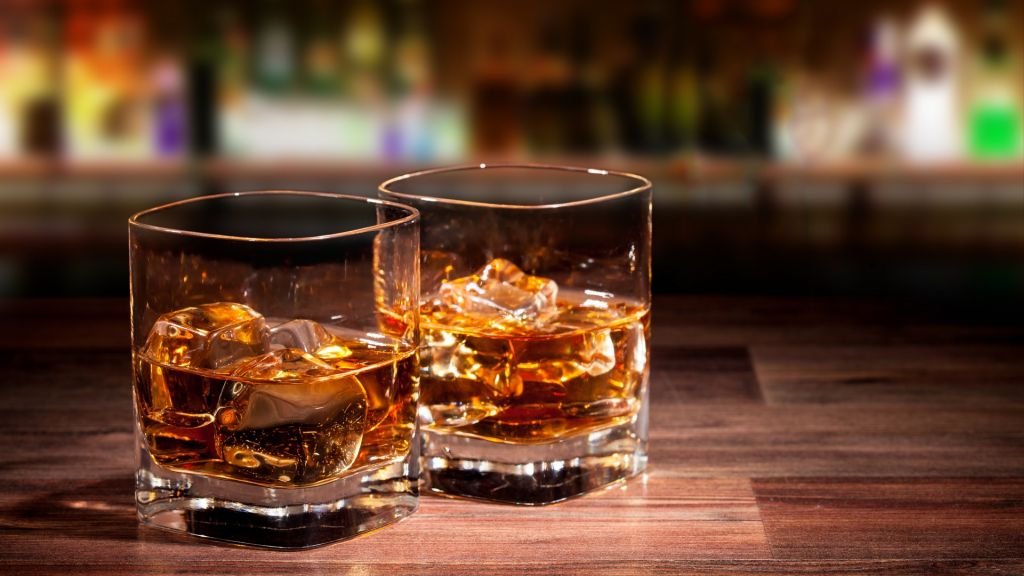
The rise of non alcoholic whiskey is reshaping how people think about drinking culture, flavor innovation, and the future of the global spirits market. Once considered a niche experiment, it is now becoming a serious category within the broader beverage industry.
Table Of Content
As more consumers look for healthier lifestyles, moderation, or alcohol-free alternatives, distillers are responding with products that aim to replicate the complexity of traditional whiskey without the alcohol content.
This shift is not just a trend; it reflects deeper changes in consumer behavior, technology, and brand strategy. The growth of non alcoholic whiskey is pushing established distilleries and new startups alike to rethink what “spirits” truly means in a modern context.
Changing Consumer Preferences and Drinking Culture
One of the biggest forces behind the rise of alcohol-free alternatives is changing consumer preferences. Younger generations, particularly Millennials and Gen Z, are drinking less alcohol than previous generations. Health awareness, mental wellness, fitness culture, and social moderation trends are all influencing this shift.
In this environment, non alcoholic whiskey has emerged as a compelling option for people who still want the ritual and flavor of whiskey without the effects of alcohol. Consumers are no longer satisfied with simply choosing between drinking and not drinking; they want sophisticated alternatives that feel inclusive in social settings.
Bars and restaurants are also adapting. Many modern cocktail menus now include alcohol-free sections, where whiskey-inspired drinks are crafted using botanical distillates, oak extracts, spices, and advanced flavor engineering. This has helped normalize alcohol-free spirits as part of the overall drinking experience rather than an afterthought.
Innovation in Flavor Science and Production
Creating a convincing whiskey without alcohol is a significant technical challenge. Traditional whiskey derives much of its flavor, mouthfeel, and aroma from fermentation, aging in oak barrels, and the presence of ethanol. Removing alcohol means distillers must rebuild the entire sensory experience from scratch.
Producers of non alcoholic whiskey use a variety of methods, including vacuum distillation, botanical infusion, barrel-aging simulations, and flavor layering techniques. Some companies start with neutral grain bases and then reconstruct whiskey-like profiles using natural ingredients such as smoked wood chips, vanilla, caramel, and spice extracts.
Advancements in food science have played a major role in improving authenticity. Aroma molecules can now be isolated and blended with precision, allowing producers to mimic the warmth and complexity associated with traditional whiskey. While early versions were often criticized for tasting too artificial or thin, newer products are significantly more refined.
Impact on Traditional Whiskey Producers
The emergence of alcohol-free alternatives is also influencing established whiskey brands. Rather than ignoring the trend, many legacy distilleries are entering the category themselves. This allows them to retain brand loyalty while expanding their customer base.
For traditional producers, non alcoholic whiskey represents both a challenge and an opportunity. On one hand, it introduces competition to their core product. On the other hand, it opens up entirely new markets—especially among health-conscious consumers, designated drivers, pregnant individuals, and people who avoid alcohol for religious or personal reasons.
Some distilleries are experimenting with hybrid product lines, offering both classic whiskey and alcohol-free versions under the same brand identity. This strategy helps maintain authenticity while adapting to changing market demands.
Retailers are also adjusting shelf space. Alcohol-free spirits are increasingly placed alongside premium mixers or craft beverages rather than soft drinks, signaling their growing legitimacy in the spirits category.
Social Acceptance and Lifestyle Integration
One of the most significant cultural shifts surrounding non alcoholic whiskey is its role in social inclusion. In the past, people who avoided alcohol often had limited options in social settings. They were frequently restricted to soda, juice, or water, while others enjoyed complex cocktails and spirits.
Today, alcohol-free whiskey allows people to participate more fully in social rituals such as toasting, cocktail sharing, and fine dining experiences. This has helped reduce the stigma around not drinking and created a more inclusive environment in bars, restaurants, and private gatherings.
Mixologists have also embraced the category, using alcohol-free red wine in mocktails that replicate classic drinks like Old Fashioneds or Whiskey Sours. These creations are not merely substitutes but carefully designed beverages that stand on their own in terms of flavor and presentation.
As a result, alcohol-free drinking is increasingly seen as a lifestyle choice rather than a limitation.
Market Growth and Future Outlook
The global spirits industry is undergoing a diversification phase, and alcohol-free alternatives are expected to play a major role in future growth. Analysts predict that demand for premium non-alcoholic beverages will continue to rise as consumers prioritize wellness and mindful consumption.
The expansion of non alcoholic whiskey is also supported by improved distribution channels. E-commerce platforms, specialty beverage stores, and mainstream supermarkets are making these products more accessible than ever before. This accessibility is helping normalize the category and introduce it to wider audiences.
Looking ahead, innovation will likely focus on improving authenticity, mouthfeel, and aging techniques. Artificial intelligence and advanced flavor modeling may further refine how producers recreate complex whiskey profiles without alcohol.
At the same time, competition will intensify. As more brands enter the space, differentiation will depend on craftsmanship, storytelling, and ingredient quality. The most successful products will likely be those that balance realism with creativity rather than simply imitating traditional whiskey.
Conclusion
The rise of alcohol-free spirits marks a turning point in the beverage industry. What was once a niche experiment is now evolving into a mainstream category that reflects broader changes in health consciousness, social behavior, and technological innovation. As consumer expectations continue to evolve, alcohol-free whiskey is no longer just an alternative—it is becoming a legitimate part of the modern spirits landscape.

No Comment! Be the first one.