


How Sustainability and Health-Conscious Consumption Are Reshaping Brazil’s Plant-Based Dairy Industry
Brazil’s food and beverage landscape is undergoing a noticeable transformation as consumers increasingly prioritize health, sustainability, and dietary flexibility. Plant-based dairy alternatives,...

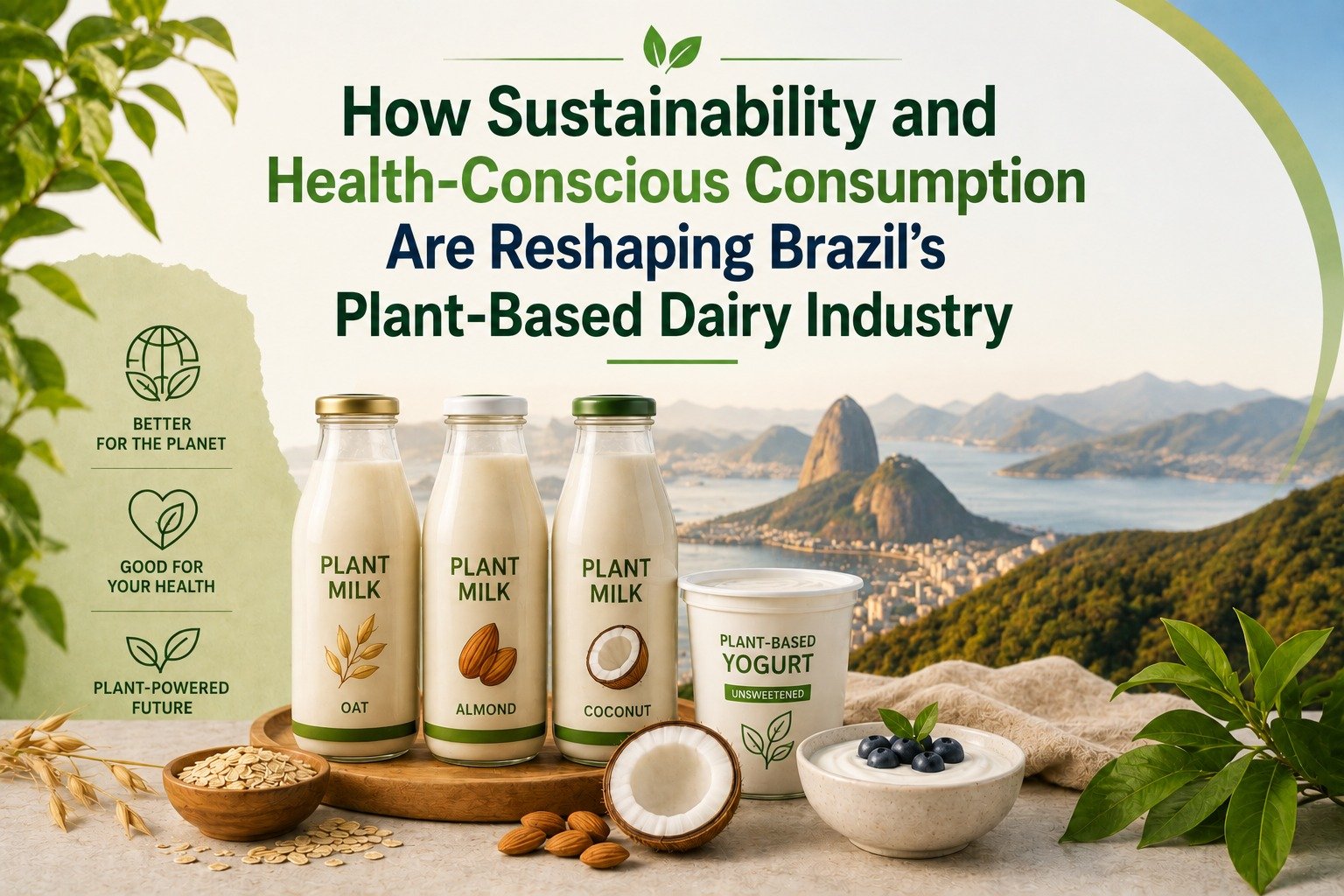
Brazil’s food and beverage landscape is undergoing a noticeable transformation as consumers increasingly prioritize health, sustainability, and dietary flexibility. Plant-based dairy alternatives, once considered a niche category, are gradually becoming part of mainstream consumption patterns across urban households. The growing awareness surrounding lactose intolerance, vegan diets, and environmentally conscious food choices has encouraged manufacturers to diversify their offerings across milk, yogurt, cheese, and dessert alternatives.
Table Of Content
- Rising Lactose Intolerance Awareness Is Influencing Consumption Patterns
- Sustainability Concerns Are Strengthening Consumer Interest
- Retail Expansion and Product Accessibility Are Driving Industry Visibility
- Innovation in Oat-Based and Clean-Label Products Is Accelerating
- Foodservice and Café Culture Are Supporting Product Adoption
- Local and International Brands Are Increasing Competitive Activity
The expansion of organized retail, digital grocery platforms, and evolving consumer preferences has further strengthened the visibility of plant-based products in Brazil. According to a Brazil plant-based dairy industry analysis, the sector is projected to witness notable growth during the forecast period, supported by innovation in clean-label ingredients, oat-based formulations, and improved product accessibility.
Rising Lactose Intolerance Awareness Is Influencing Consumption Patterns
One of the primary factors contributing to the adoption of plant-based dairy products in Brazil is the growing awareness surrounding lactose intolerance and digestive health. A considerable portion of the population experiences varying levels of lactose sensitivity, leading consumers to seek alternatives that provide similar nutritional and taste profiles without digestive discomfort.
Manufacturers are responding by introducing products derived from soy, almonds, oats, coconut, and cashews to cater to a wider demographic. In addition, fortified products containing calcium, vitamin D, and plant proteins are helping bridge nutritional concerns often associated with dairy-free diets. The National Geographic discussion on plant-based diets highlights how global dietary shifts are increasingly linked with health and sustainability priorities.
Sustainability Concerns Are Strengthening Consumer Interest
Environmental sustainability has emerged as another major influence shaping Brazil’s plant-based dairy sector. Consumers, particularly younger demographics, are paying closer attention to the environmental footprint associated with food production. Concerns surrounding greenhouse gas emissions, land usage, and water consumption linked to traditional dairy farming are encouraging interest in plant-derived alternatives.
International organizations such as the Food and Agriculture Organization (FAO) have emphasized the importance of sustainable food systems in addressing long-term environmental challenges. As a result, food brands operating in Brazil are increasingly focusing on recyclable packaging, locally sourced ingredients, and sustainable manufacturing practices to align with shifting consumer expectations.
Retail Expansion and Product Accessibility Are Driving Industry Visibility
The availability of plant-based dairy products across supermarkets, hypermarkets, health food stores, and e-commerce channels has improved significantly in recent years. Previously limited to specialty stores, these products are now reaching broader consumer groups through improved retail penetration and targeted marketing strategies.
Large retail chains are allocating dedicated shelf space for vegan and dairy-free products, making plant-based options more visible and accessible to mainstream consumers. At the same time, online grocery platforms are enabling smaller and emerging brands to expand their reach without depending solely on physical retail infrastructure.
Product variety is also improving rapidly. Consumers can now access flavored oat milk, barista-style plant-based beverages, dairy-free yogurts, and cheese substitutes tailored for cooking and snacking applications. This growing diversification is helping brands appeal to both vegan consumers and flexitarian buyers seeking occasional dairy alternatives.
Innovation in Oat-Based and Clean-Label Products Is Accelerating
Among various product categories, oat-based dairy alternatives are gaining strong traction in Brazil due to their mild taste, texture compatibility, and perceived nutritional benefits. Oat milk, in particular, is becoming increasingly popular among coffee consumers because of its foaming capability and neutral flavor profile.
Clean-label formulations are also becoming a significant purchasing factor. Consumers are carefully reviewing ingredient lists and preferring products with minimal additives, artificial preservatives, or excessive sugar content. This shift is encouraging manufacturers to invest in simpler ingredient compositions and transparent labeling practices.
The growing demand for transparency aligns with broader global food trends. According to the United Nations Environment Programme (UNEP), sustainable food production and responsible consumption patterns are increasingly influencing purchasing behavior across international markets.
Foodservice and Café Culture Are Supporting Product Adoption
Brazil’s expanding café culture and evolving foodservice sector are also contributing to the visibility of plant-based dairy alternatives. Coffee shops, restaurants, and bakery chains are introducing non-dairy milk options to accommodate changing customer preferences and dietary requirements.
Barista-friendly oat milk and almond milk variants are becoming common additions to café menus in metropolitan areas. This integration within foodservice channels is helping normalize plant-based consumption among consumers who may not actively seek vegan products in retail settings.
Additionally, social media trends and influencer-driven food content are accelerating awareness regarding vegan recipes, dairy-free beverages, and plant-based meal preparation. Digital platforms continue to play a key role in educating younger consumers about alternative dietary lifestyles and sustainable food choices.
Local and International Brands Are Increasing Competitive Activity
The competitive landscape in Brazil’s plant-based dairy industry is becoming increasingly dynamic as both domestic and international companies expand their presence. Brands are focusing on strategic product launches, partnerships with retailers, and flavor innovation to strengthen consumer engagement.
Localization strategies are particularly important in Brazil, where taste preferences vary across regions. Companies are experimenting with tropical flavors, region-specific ingredients, and affordable packaging formats to improve mass-market appeal. At the same time, investment in research and development is supporting improvements in texture, shelf life, and nutritional composition.
As consumer interest in healthier and environmentally responsible food choices continues to evolve, Brazil’s plant-based dairy sector is expected to remain an important segment within the broader food and beverage industry. Ongoing advancements in product innovation, retail accessibility, and sustainability-focused manufacturing are likely to shape the industry’s long-term development trajectory.






No Comment! Be the first one.