


How to Make a Successful Water Leak Insurance Claim in Australia
Water leaks strike without warning and can turn a minor drip into a major crisis, damaging homes and belongings across Australia. Homeowners often face the stress of repairs alongside navigating...

Water leaks strike without warning and can turn a minor drip into a major crisis, damaging homes and belongings across Australia. Homeowners often face the stress of repairs alongside navigating insurance claims, especially when sudden leaks from pipes or roofs lead to costly water damage. Understanding the claims process helps you recover what you are owed quickly and efficiently. In this guide, we outline practical steps to file a successful water leak insurance claim, drawing on standard practices from Australian insurers. Whether you are dealing with a burst pipe or hidden dampness, these insights empower you to act confidently.
Table Of Content
Understand Your Policy Coverage First
Before any leak occurs, we recommend reviewing your home insurance policy thoroughly. Australian home and contents insurance typically covers sudden and accidental water damage from leaks, such as those from plumbing failures or storm-related roof issues. Policies often exclude gradual leaks, like those from poor maintenance, so check the Product Disclosure Statement (PDS) from your insurer.
Key elements to verify include:
- Sudden vs. gradual damage: Coverage applies to unexpected events, not ongoing seepage.
- Exclusions: Wear and tear, unsealed gutters, or tree roots invading pipes may not qualify.
- Excess amounts: You might pay an initial amount, often $300 to $1,000, depending on your policy.
- Limits on water damage: Some policies cap payouts for leaks, so note any sub-limits.
Contact your insurer or broker early to clarify. For instance, if a hidden pipe leak floods your kitchen, confirm it qualifies as “escape of liquid” under standard definitions used by major providers like QBE or Youi.
Act Quickly to Minimise Damage
Time is critical after discovering a water leak. Australian insurance policies require you to take reasonable steps to prevent further loss, known as mitigation. Delaying can weaken your claim.
Follow these immediate actions:
- Turn off the main water supply at the meter or isolation valve.
- Mop up standing water and use fans or dehumidifiers to dry affected areas.
- Move valuables to safety and cover furniture with plastic sheeting.
- Document everything with photos and videos, including the leak source, damage extent, and your mitigation efforts.
Notify your insurer within 24 hours, as most policies mandate prompt reporting. Delays beyond this can lead to claim denials. If the leak is extensive, call a licensed plumber immediately to avoid escalating costs.
Document the Damage Thoroughly
Strong documentation forms the backbone of a successful claim. Insurers rely on evidence to assess liability and the quantum of loss.
Gather these essentials:
- Photos and videos: Capture the leak origin, saturated areas, and ruined items from multiple angles.
- Timestamps: Note dates, times, and weather conditions if relevant (e.g., heavy rain contributing to the leak).
- Receipts and invoices: Keep records of temporary repairs or equipment rentals.
- Expert reports: Obtain a plumber’s assessment confirming the leak was sudden.
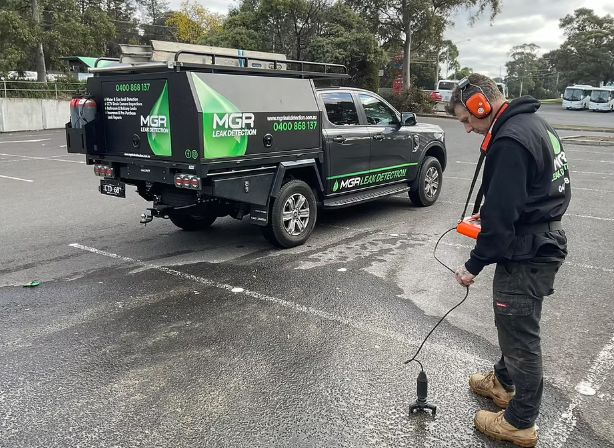
For hidden leaks, professional services like water leak detection become invaluable. Early water leak detection using acoustic tools or thermal imaging pinpoints issues without invasive digging, providing insurers with precise evidence. At MGR Leak Detection, we specialise in non-destructive methods trusted by Australian homeowners and insurers alike.
Lodge Your Claim Effectively
Submitting the claim correctly sets the tone for a smooth process. Most Australian insurers offer online portals, apps, or 24/7 hotlines for lodging claims.
Steps to follow:
- Call your insurer’s claims line and provide initial details: policy number, incident date, and description.
- Complete the claim form online, attaching your documentation.
- Request an assessor appointment; they will inspect within days.
- Ask about temporary accommodation if your home is uninhabitable.
Be honest and precise. Exaggerating damage risks rejection. If disputes arise, note that the Australian Financial Complaints Authority (AFCA) handles free dispute resolution for policyholders.
Engage Professionals for Repairs
Insurers often recommend or approve qualified tradespeople for repairs. DIY fixes can void coverage if they worsen the issue.
Choose:
- Licensed plumbers registered with bodies like the Plumbing Industry Commission.
- Water damage restoration experts are compliant with Australian Standards (AS 3745 for cleaning).
- Builders for structural fixes, ensuring compliance with the National Construction Code.
For complex cases involving undetected leaks, partner with specialists in water leak detection. MGR Leak Detection uses advanced technology to locate issues swiftly, helping you meet insurer requirements for verified repairs. This approach not only speeds up approvals but also prevents recurrence.
Navigate the Assessment and Payout Stages
Once lodged, an assessor visits to evaluate damage. They determine if the claim falls under “sudden and accidental” criteria.
Prepare by:
- Walking them through the site and your documentation.
- Explaining mitigation steps taken.
- Highlighting any pre-existing conditions honestly.
Payouts arrive via direct deposit, typically within two to four weeks for straightforward claims. If repairs exceed $5,000, cash settlements are common, allowing you to select your tradesperson. Track progress via your insurer’s portal and follow up politely if delayed.
Common pitfalls include underestimating drying times, which can lead to mould claims later. Insurers like AAMI emphasise full drying to avoid secondary issues.
Avoid Common Mistakes That Derail Claims
Many Australian claims fail due to avoidable errors. Learn from these to strengthen yours.
Watch out for:
- Failing to mitigate: Insurers reduce payouts if you ignore further damage.
- Poor records: Vague descriptions lead to undervaluation.
- Ignoring excesses: Budget for your policy’s basic excess plus any age or storm excesses.
- Policy lapses: Ensure premiums are up to date.
- Gradual wear claims: These rarely succeed without proof of sudden failure.
Regular home maintenance, like annual plumbing checks, reduces risks. Services such as those from MGR Leak Detection can identify vulnerabilities early, potentially preventing claims altogether.
Maximise Your Claim’s Success Long-Term
A successful claim goes beyond payout; it restores your home securely. After repairs, update your policy to reflect changes, like increased sum insured for renovations.
Consider:
- Installing leak detectors or water alarms for future protection.
- Reviewing excess levels to balance premiums and out-of-pocket costs.
- Bundling home and contents for broader coverage.
In Australia, where extreme weather amplifies leak risks, proactive steps pay off. By following these guidelines, you position yourself for fair outcomes.
Water leak insurance claims need not overwhelm you. With preparation, swift action, and solid evidence, most Australians secure the support they deserve. For expert assistance in detecting leaks before they escalate, trust MGR Leak Detection to safeguard your home.







No Comment! Be the first one.