



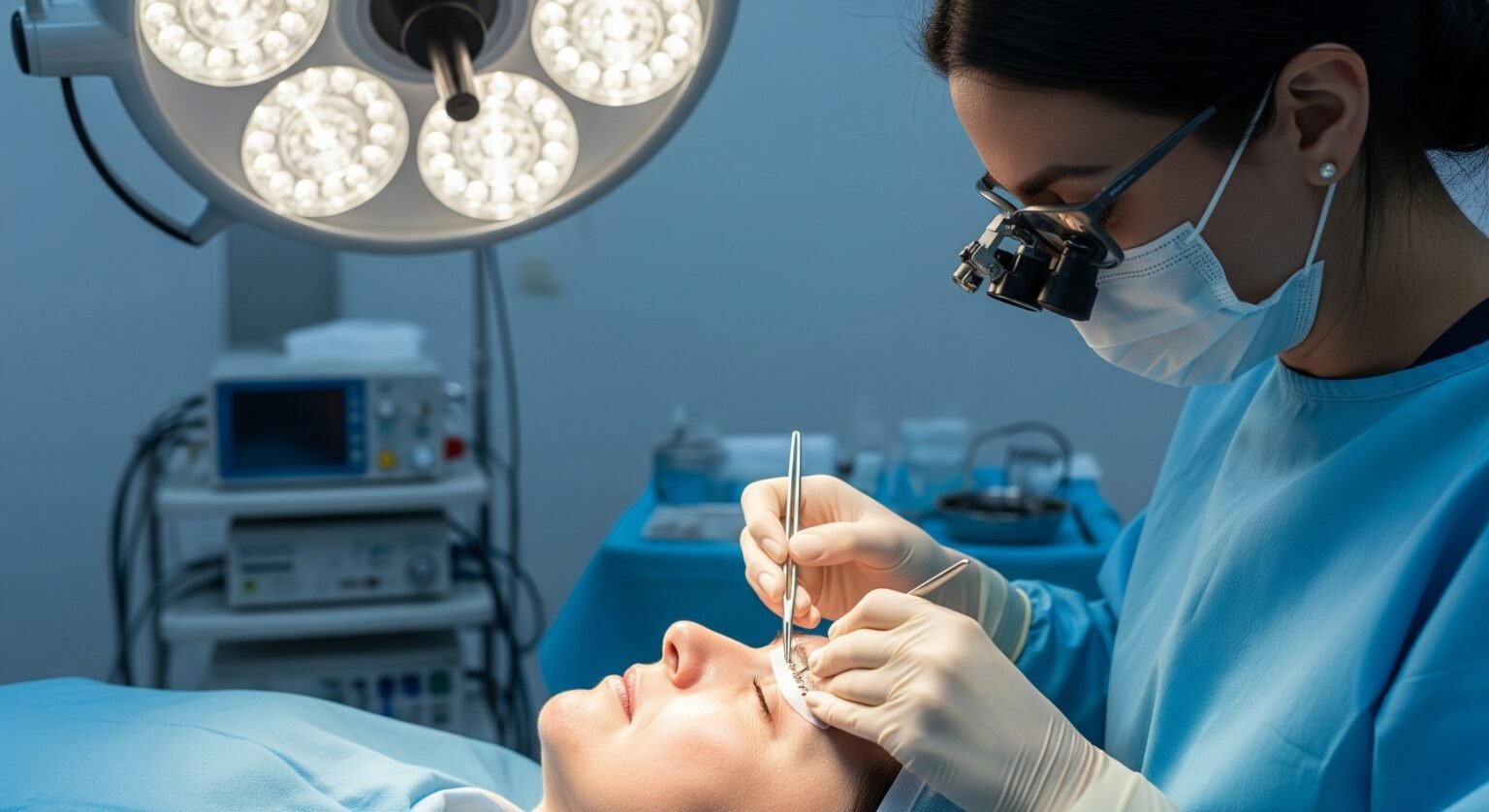
Well-shaped eyebrows play a major role in framing the face and highlighting natural features. When brows become thin due to overplucking, aging, genetics, scarring, or medical conditions, many people look for long-lasting ways to restore their appearance. An eyebrow hair transplant has become a trusted option for individuals who want natural-looking fullness without relying on makeup or temporary solutions. This advanced cosmetic procedure uses your own hair to rebuild sparse brows and create a balanced, attractive shape.
Table Of Content
- Creates Natural-Looking Results
- Permanent Solution for Thin Brows
- Restores Brows After Overplucking
- Helps Correct Asymmetrical Brows
- Ideal for Covering Scars
- Boosts Self-Confidence
- Customized Shape for Your Features
- Minimal Downtime
- Uses Your Own Hair
- Reduces Dependence on Makeup
- Suitable for Men and Women
- Long-Term Value
- What to Expect After the Procedure
- Choosing the Right Specialist Matters
If you are considering fuller brows, understanding the benefits of this treatment can help you decide whether it is the right path for you.
Creates Natural-Looking Results
One of the biggest advantages of an eyebrow hair transplant is the natural appearance it offers. Since the transplanted follicles usually come from your own scalp, the new brow hair blends with your existing hair and grows naturally.
Unlike pencils, powders, or tattooed brows, transplanted hair provides real texture and movement. Skilled surgeons carefully place each follicle at the correct angle and direction, helping the brows look realistic and soft. The final outcome is often difficult to distinguish from naturally thick eyebrows.
Permanent Solution for Thin Brows
Temporary beauty products can improve eyebrow appearance for a few hours, but they require constant maintenance. Brow pencils can smudge, powders may fade, and cosmetic tattoos may need touch-ups over time.
An eyebrow transplant offers a more permanent answer. Once the transplanted follicles settle and begin growing, they continue producing hair just like they did in the donor area. With proper care and occasional trimming, many patients enjoy long-term improvement that lasts for years.
Restores Brows After Overplucking
Many people experience eyebrow thinning after years of excessive tweezing or waxing. Repeated removal of hair can damage follicles, making regrowth difficult or impossible in some areas.
A transplant helps rebuild lost density by placing healthy follicles where hair no longer grows. This can restore a youthful and fuller brow line while correcting uneven patches caused by years of overgrooming.
Helps Correct Asymmetrical Brows
Naturally uneven eyebrows are common, but noticeable imbalance can affect facial harmony. One brow may sit higher, appear thinner, or have gaps compared to the other side.
During an eyebrow transplant procedure, the surgeon can shape both brows carefully to improve symmetry. While perfect mirror-image brows are unrealistic, the treatment can create a more balanced and polished appearance that complements your face.
Ideal for Covering Scars
Scars caused by injury, surgery, burns, or skin conditions may prevent eyebrow hair from growing in certain areas. This can leave visible gaps that are difficult to conceal.
Hair transplantation is often a valuable option for scarred brows because follicles can be placed into suitable scar tissue in many cases. When successful, the new growth softens the look of scars and restores a more complete eyebrow shape.
Boosts Self-Confidence
Eyebrows have a strong impact on facial expression. Thin or missing brows can make some people feel older, tired, or less confident. Many patients report feeling more comfortable in social and professional settings after restoring their brows.
Because eyebrows are always visible, even small improvements can make a meaningful difference. Fuller brows often help people feel more put together without needing daily cosmetic touch-ups.
Customized Shape for Your Features
Every face is different, so eyebrows should not follow a one-size-fits-all pattern. A major benefit of eyebrow transplantation is personalization. During consultation, factors such as facial structure, eye shape, natural brow position, and personal preferences are considered.
Some patients prefer a soft natural arch, while others want stronger definition. The treatment plan can be tailored to create brows that suit your unique appearance rather than copying temporary trends.
Minimal Downtime
Modern eyebrow transplant techniques are generally minimally invasive. The procedure is often performed using local anesthesia, allowing patients to return home the same day.
Mild redness, swelling, or small scabs may appear temporarily, but recovery is usually manageable. Many people resume normal routines within a short period, following the aftercare instructions provided by their surgeon.
Uses Your Own Hair
Because the transplanted follicles come from your own body, the chance of rejection is extremely low. This makes the procedure safer and more reliable than synthetic alternatives.
Using your own hair also means the brows retain a natural feel. Once healed, the transplanted hair can be groomed, trimmed, and shaped just like regular eyebrow hair.
Reduces Dependence on Makeup
Daily brow makeup can be time-consuming. Many people spend extra minutes each morning filling gaps, shaping arches, and trying to match both sides evenly.
After successful transplantation, less cosmetic correction is often needed. Some patients stop using brow products entirely, while others use them only occasionally for special styling. This saves time and reduces frustration during daily routines.
Suitable for Men and Women
Eyebrow restoration is not limited to women. Men also seek treatment for thinning brows caused by genetics, scars, or aging. Fuller brows can strengthen facial definition and improve overall appearance for all genders.
Since the procedure is customized, the final style can be soft, bold, straight, or naturally rugged depending on the desired look.
Long-Term Value
Although an eyebrow transplant may cost more upfront than makeup or microblading, many people view it as a worthwhile investment. Temporary products require repeated purchases, and cosmetic tattooing often needs maintenance sessions.
A permanent hair restoration solution can provide value over time through lasting results and reduced spending on short-term alternatives.
What to Expect After the Procedure
After transplantation, the newly placed hairs may shed within the first few weeks. This is normal and part of the growth cycle. New hair typically begins growing again in the following months, with fuller results gradually appearing over time.
Because donor hair often grows faster than natural brow hair, trimming may be needed regularly. Your surgeon will explain how to maintain shape and keep the brows neat.
Choosing the Right Specialist Matters
The success of eyebrow restoration depends heavily on the skill of the surgeon. Brows require precision because each hair must be placed at the correct angle and density. Poor placement can create unnatural direction or uneven growth.
Choosing an experienced specialist who understands facial aesthetics can make a major difference in achieving refined, believable results. If you are seeking fuller, lasting brows with a personalized approach, consulting a trusted provider for eyebrow transplant los angeles can be an excellent next step.






No Comment! Be the first one.