


What Is a Modular Bathroom Pod? A Simple Way to Understand Prefab Bathrooms
Summary: A modular bathroom pod is a ready-made bathroom built off-site and delivered as a complete unit. Instead of assembling everything inside the building, these prefab bathroom units arrive...

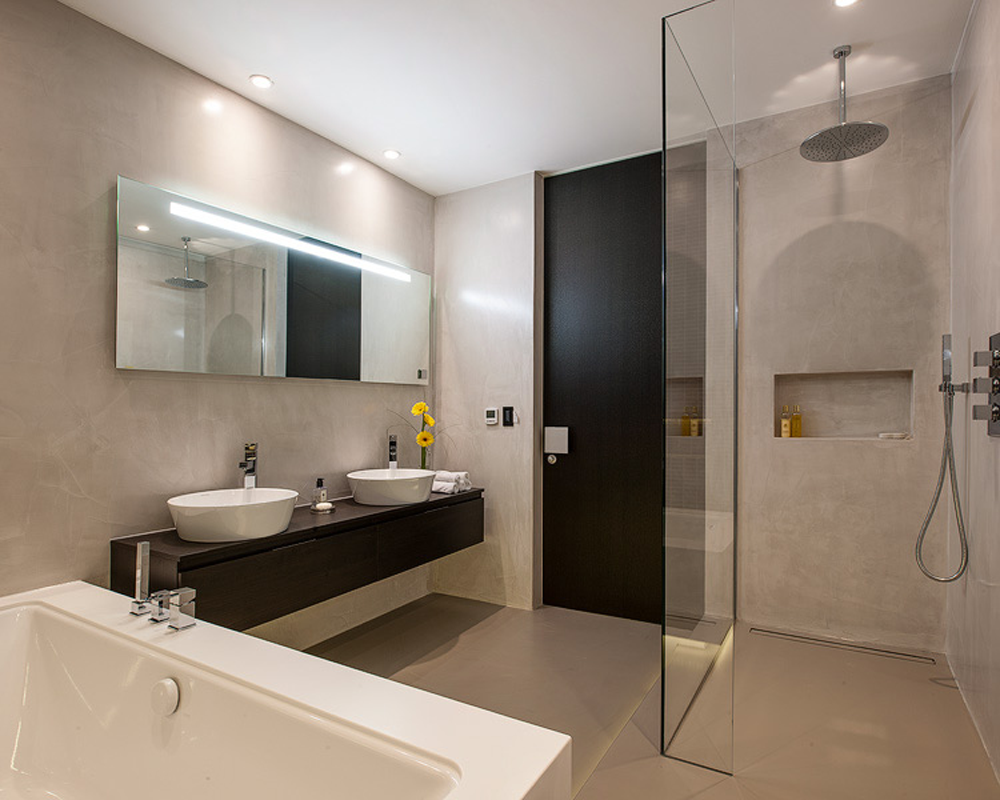
|
Summary: A modular bathroom pod is a ready-made bathroom built off-site and delivered as a complete unit. Instead of assembling everything inside the building, these prefab bathroom units arrive mostly finished and are installed in place. For projects with repeated layouts, this approach helps reduce delays and keeps things more predictable. Table Of Content
|
Bathrooms don’t look complicated on a plan.
But once work starts, they turn into one of the busiest parts of any project. Too many things need to happen in a small space, and all of it depends on timing.
Plumbing goes in first. Then electrical. Then waterproofing. Then tiling. If one step slips, the rest wait.
Now repeat that across dozens of rooms. That’s where things start to drag.
This is usually the point where prefab bathrooms start coming into the conversation—not because they’re new, but because they avoid some of that back-and-forth on-site.
So, What Is a Modular Bathroom Pod?
At its simplest, it’s a bathroom that’s already built before it reaches the site.
Not partially done. Not just framed. Fully put together.
A typical modular bathroom pod includes:
- Pipes already fitted
- Wiring in place
- Fixtures installed
- Walls and flooring finished
Once it arrives, it’s lifted, set in position, and connected.
That’s it.
Instead of building a bathroom inside the structure, you’re placing one that’s already complete.
What Makes It Different From a Regular Bathroom Build?
The materials are mostly the same. Tiles, fixtures, fittings, it’s not like prefab uses something completely different.
The real difference is where the work happens.
On a normal site, everything is done step by step, often with different teams coming in at different times.
With prefab bathroom pods, that work happens in one place, in a controlled setup, where the sequence doesn’t keep changing.
There’s less waiting. Less adjusting. Fewer interruptions.
How the Process Usually Plays Out
It’s not complicated, but it does require a shift in planning.
First, the design is locked earlier than usual. You don’t keep changing layouts midway.
Then the pods are built off-site while the main structure is still going up.
By the time the building is ready, the bathrooms are already finished and waiting to be installed.
When they arrive on-site, the job is more about placement and connection than construction.
That overlap—site work and manufacturing happening together—is where most of the time gets saved.
Why Builders Are Starting to Lean Toward Prefab Bathrooms
It’s not just about speed. That’s part of it, but not the whole story.
A lot of it comes down to coordination.
Bathrooms need multiple trades, and they all depend on each other. When something goes off track, even slightly, it creates delays that are hard to recover.
Prefab reduces that dependency.
There’s also the issue of labour. Finding the right people at the right time isn’t always easy anymore. With pods, fewer workers are needed on-site for that part of the build.
And then there’s consistency. If you’re building 100 identical rooms, you want them to actually look and function the same. That’s easier to manage in a factory than on an active site.
Where Prefab Bathroom Pods Make the Most Sense
They work best where repetition is high.
Hotels are the obvious example—same room layout, again and again.
Hospitals use them too, especially where hygiene and precision matter.
Student housing and large residential projects also benefit, mainly because of the number of units involved.
If every bathroom in a project is different, prefab may not be the right fit. But when layouts repeat, it starts to make more sense.
What Doesn’t Change (And Still Needs Attention)
Prefab doesn’t remove the need for planning. In some ways, it increases it.
You have to think things through earlier—design, access, placement, all of it.
Once production starts, changes aren’t as easy to make.
There’s also logistics. Getting pods to the site and placing them correctly requires coordination.
So while the installation looks simpler, the preparation behind it still matters.
What It Feels Like on Site
This is where the difference is easier to notice.
Instead of multiple trades working inside small bathroom areas, you see finished units being placed into position.
Less crowding. Less overlap. Fewer people are waiting for others to finish.
It doesn’t remove complexity from the project—it just moves it somewhere more controlled.
Conclusion
Bathrooms have always been one of those parts of construction that quietly take up more time than expected.
Modular bathroom pods don’t change what goes into a bathroom. They change how it gets there.
By building them off-site, a lot of the coordination issues that usually slow things down can be reduced.
That’s why more project teams are starting to look at prefab bathroom solutions—not as a replacement for everything, but as a practical option where repetition is high.
Companies like Bathsystem USA are already working with this approach, helping projects integrate prefab bathroom pods without overcomplicating the rest of the build.
It’s a small shift in method, but on the right project, it can make things noticeably easier to manage.
FAQs
1. What is a modular bathroom pod?
It’s a fully built bathroom unit made off-site and installed as a complete module.
2. What is a prefab bathroom?
A prefab bathroom is any bathroom that is manufactured outside the construction site and then installed in place.
3. Are modular bathroom pods reliable?
Yes, they are built under controlled conditions and checked before delivery.
4. Do prefab bathrooms really save time?
In many cases, yes—because they reduce on-site work and allow parallel progress.
5. Where are they commonly used?
Mostly in hotels, hospitals, student housing, and large residential developments.







No Comment! Be the first one.