


Why Microplastics in Drinking Water Are a Global Concern
There is a particular kind of unease that comes with learning something you cannot unsee. For millions of people around the world, that moment arrived when research began confirming what many had...

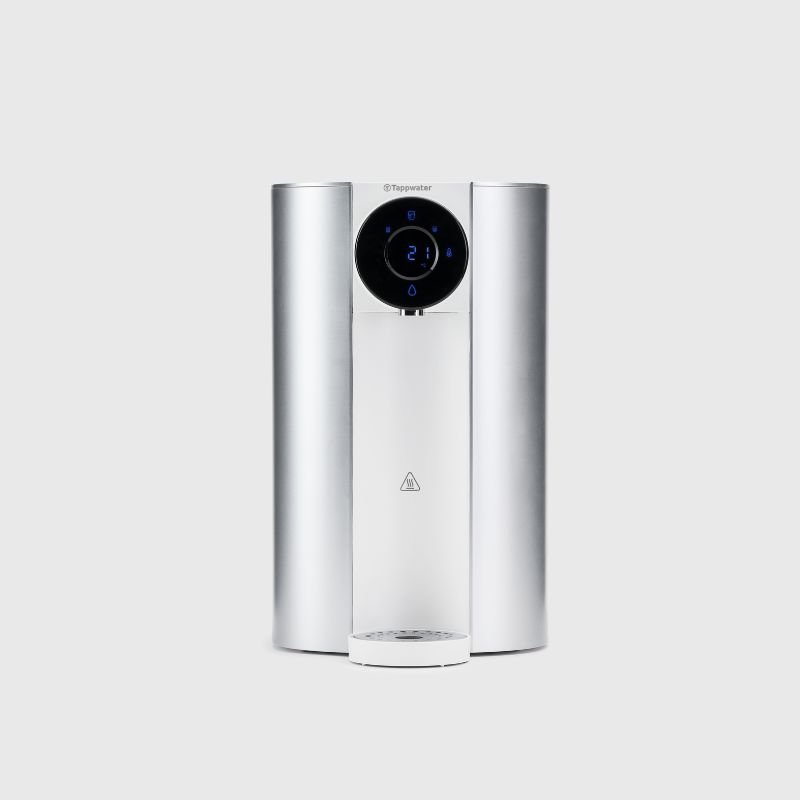
There is a particular kind of unease that comes with learning something you cannot unsee. For millions of people around the world, that moment arrived when research began confirming what many had quietly suspected. The water coming out of taps, bottled or otherwise, contains plastic. Not visible chunks or obvious contamination, but microscopic fragments so small they pass through conventional filtration systems without difficulty. Microplastics in drinking water have moved from a niche scientific concern to a mainstream public health conversation, and the more research accumulates, the harder it becomes to dismiss.
Table Of Content
How Microplastics End Up in Drinking Water
Understanding the problem starts with understanding how plastic behaves over time. Plastic does not biodegrade in any meaningful sense. It breaks down into progressively smaller pieces, from large fragments to microplastics to nanoplastics, but the material itself persists. These fragments enter waterways through dozens of pathways. Synthetic clothing releases plastic fibres during washing. Plastic bottles and packaging degrade in landfills and oceans. Car tyres shed particles onto roads that rainfall carries into drainage systems. Industrial processes release plastic dust into the air that eventually settles into water sources.
Once in the environment, become almost inevitable. They have been detected in rivers, lakes, groundwater, and ocean water at every depth and in every geography tested. They pass through standard municipal water treatment because most treatment infrastructure was designed long before microplastics were a known concern. The filters and processes that handle bacteria, sediment, and chemical contaminants are simply not built to catch particles at this scale.
Bottled water offers no escape either. Studies have consistently found sold in plastic bottles at concentrations that sometimes exceed what comes from the tap. The irony is considerable. People paying more for what they believe is cleaner water are in many cases consuming more plastic than they would from a filtered tap source.
The Health Implications That Have Scientists Paying Attention
The honest answer about what microplastics in drinking water do to human health over the long term is that research is still catching up to the scale of the problem. What is already known, however, is concerning enough to justify serious attention.
Microplastics have been found in human blood, lung tissue, placental tissue, and most recently in heart tissue. Their presence in the body is no longer a hypothesis. It is a documented reality. What is still being studied is the cumulative effect of long term exposure, particularly for vulnerable populations including children, pregnant women, and people with compromised immune systems.
The concern is not only about the plastic itself. Microplastics act as carriers. They attract and concentrate other harmful substances including pesticides, heavy metals, and endocrine disrupting chemicals. When ingested, these particles may release their chemical payload inside the body, compounding whatever direct physical effects the plastic fragments themselves cause.
A Global Problem with Unequal Impact
While microplastics in drinking water affect populations across every continent, the burden is not evenly distributed. Countries with aging water infrastructure, limited regulatory oversight, and high plastic waste are disproportionately exposed. This includes large parts of sub Saharan Africa, South Asia, and Latin America where treatment technology has not kept pace with either population growth or plastic consumption.
South Africa presents a particularly clear illustration of this inequality. Urban areas have access to municipal water treatment, but rural and peri urban communities often rely on rivers, boreholes, and unprotected sources that carry heavy contamination loads. For households in these settings, solutions that work at the point of use rather than at the infrastructure level are not a luxury. They are a necessity.
Why a Reverse Osmosis Water Filter South Africa Households Are Adopting Makes Sense
Among the filtration technologies available to households today, reverse osmosis stands out for its ability to address microplastics directly. A families and businesses are increasingly turning to works by forcing water through a semi permeable membrane with pores small enough to block microplastic particles, bacteria, heavy metals, and dissolved chemical contaminants simultaneously.
The effectiveness of a reverse osmosis water filter South Africa residents rely on is not theoretical. It is backed by consistent independent testing showing removal rates for microplastics that no activated carbon or standard sediment filter can match. For a country where both water quality and water access are ongoing challenges, this technology represents a practical and proven response to a problem that is only growing.
Making Filtration Work at the Household Level
The conversation around microplastics in drinking water sometimes gets stuck at the scale of the problem. Global plastic production, ocean contamination, and infrastructure failures are all real and significant, but they are not things an individual household can solve on a Tuesday morning.
What households can do is control what comes out of their own tap. Investing in filtration technology that specifically addresses microplastics, understanding what that technology







No Comment! Be the first one.